Explore our premier selection of advanced cell chemistries and structural packs optimized for superior volumetric and gravimetric energy density.
In the global race for decarbonization, battery density improvements represent the primary boundary condition determining the viability of transition paths. Whether engineering long-range electric vehicles (EVs), unmanned aerial platforms (eVTOLs), heavy duty maritime machinery, or localized grid infrastructure, volumetric (Wh/L) and gravimetric (Wh/kg) densities determine structural design footprint, operating payload capacity, thermal management limits, and system economics.
Historically, incremental gains of 3% to 5% per annum were achieved through physical optimization (such as packaging margins, thinner current collectors, and optimized cell winding densities). However, satisfying modern demand envelopes requires radical modifications at the atomic level—re-engineering cathode crystal lattices, employing silicon-dominant composite anodes, transitioning toward solid-state solid polymer or inorganic electrolytes, and optimizing battery management system (BMS) controls.
As a specialized leader in energy architectures, Guangdong Nuwon Energy Co., Ltd. addresses these demands. Nuwon bridges the gap between laboratory chemistry breakthroughs and gigawatt-hour (GWh) production realities, supplying OEMs and global partners with high-purity, highly reliable electrochemical cells and integrated custom battery packs.
To systematically maximize battery performance metrics, industrial developers must align specific cell chemistries with physical form factors. Achieving higher energy density is not a singular pathway, but rather a spectrum of material optimizations:
Increasing the nickel content in lithium nickel manganese cobalt oxide (LiNiMnCoO2) cathodes directly elevates specific capacity by enabling higher voltage operating thresholds and deeper lithium extraction during charging cycles. Transitioning from legacy NMC 523 and NMC 622 structures to NMC 811 and Ni90 reduces dependence on volatile cobalt markets while raising the specific cathode capacity past 200 mAh/g. This allows lithium-ion systems to cross the crucial 300 Wh/kg pack barrier. However, stabilizing these high-nickel interfaces requires advanced doping (e.g., Al, Zr, or Mg) and surface coating techniques to prevent structural cracking and oxygen release under high operating temperatures.
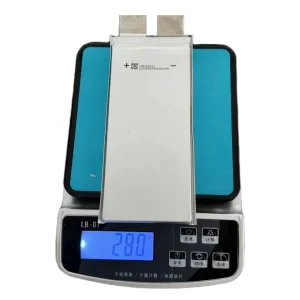
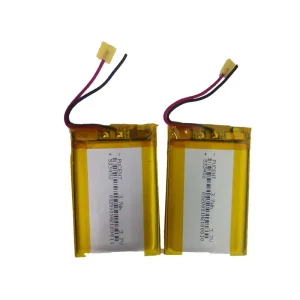
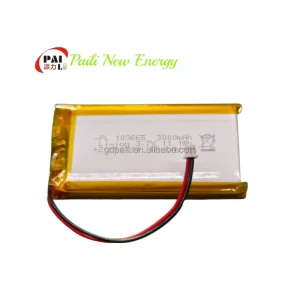
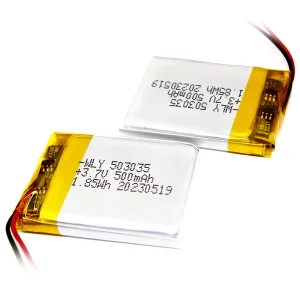
Traditional liquid electrolytes present persistent safety and design constraints due to volatility, flammability, and the spatial requirements of standard polymer separators. Solid-state lithium-polymer pouch cells bypass these barriers by replacing volatile liquid interfaces with solid organic or inorganic matrixes. This limits dendrite formation, permits the incorporation of high-capacity lithium metal anodes, and eliminates the passive weight of heavy internal cooling manifolds. The result is a substantial leap in volumetric efficiency, scaling safe operational density beyond 400 Wh/kg.
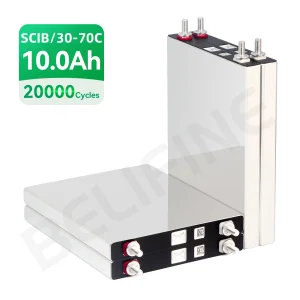
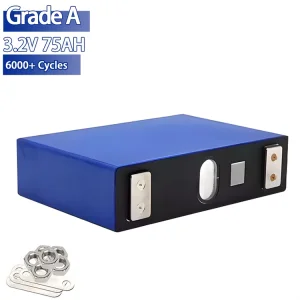
While lithium iron phosphate (LFP) and lithium titanate (LTO) occupy different positions on the energy density spectrum, their optimization pathways focus on structural packing efficiency (Cell-to-Pack, or CTP technology). Our LTO systems utilize specialized titanium-oxide anodes that prevent lithium plating, enabling charging C-rates up to 75C and operational life cycles surpassing 20,000 runs. By removing individual module casings and directly integrating prismatic cells into structurally protective enclosures, these chemistries achieve excellent volumetric packing margins while maintaining safety and thermal resilience.
| Cell Chemistry Type | Typical Gravimetric Density | Volumetric Energy Density | Cycle Life (80% SOH) | Primary Applications |
|---|---|---|---|---|
| Solid-State Polymer Cell | 350 - 420 Wh/kg | 780 - 920 Wh/L | 800 - 1,200 | eVTOL, Aerospace, High-End Robotics |
| NMC 811 / Ni90 Powder | 280 - 320 Wh/kg | 680 - 750 Wh/L | 1,500 - 2,000 | Long-Range EVs, High-Capacity Power Tools |
| Prismatic LiFePO4 (LFP) | 160 - 190 Wh/kg | 350 - 420 Wh/L | 4,000 - 6,000 | Commercial & Industrial BESS, Solar Arrays |
| Lithium Titanate (LTO) | 80 - 110 Wh/kg | 180 - 240 Wh/L | 20,000+ | Heavy AGVs, High-Drain Jump Starters, Rail |
China's leadership in the advanced battery sector is built on unified industrial clustering and vertical integration. From upstream mineral extraction and refinement (specifically cobalt, nickel, and synthetic graphite) to downstream cell packaging and custom BMS programming, Chinese factories offer an efficient, highly integrated supply chain.
This concentration of expertise yields distinct advantages:
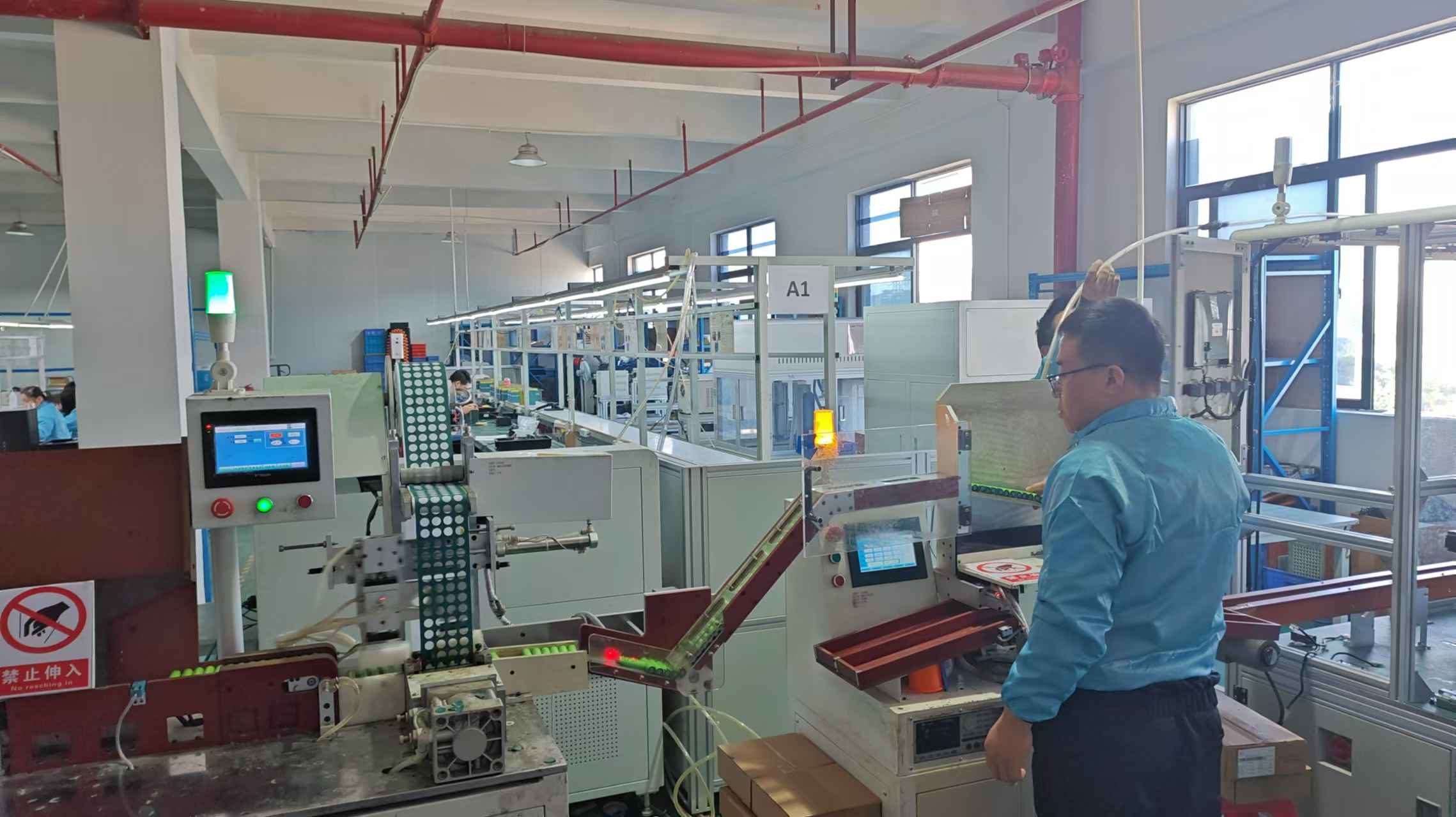
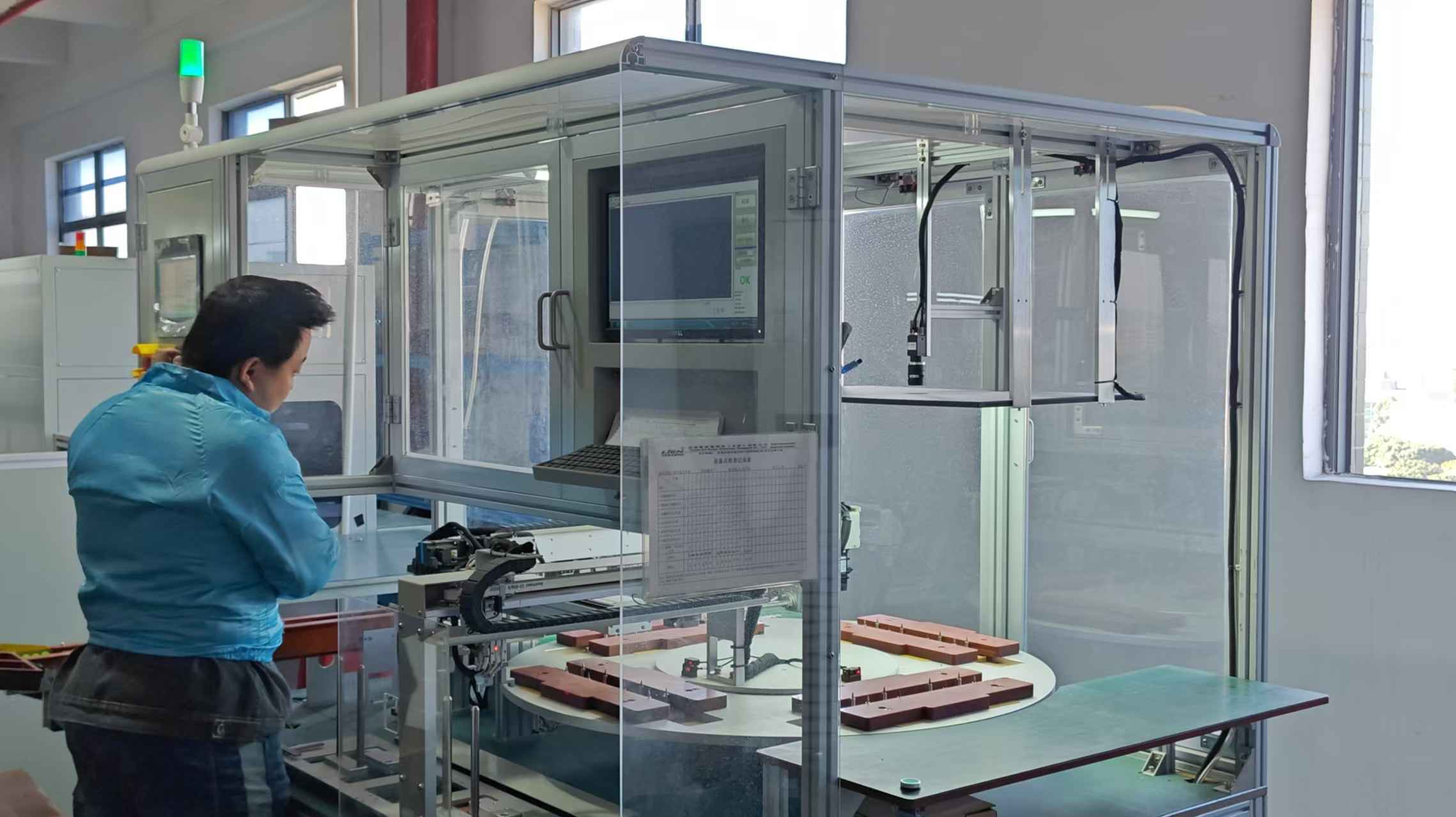
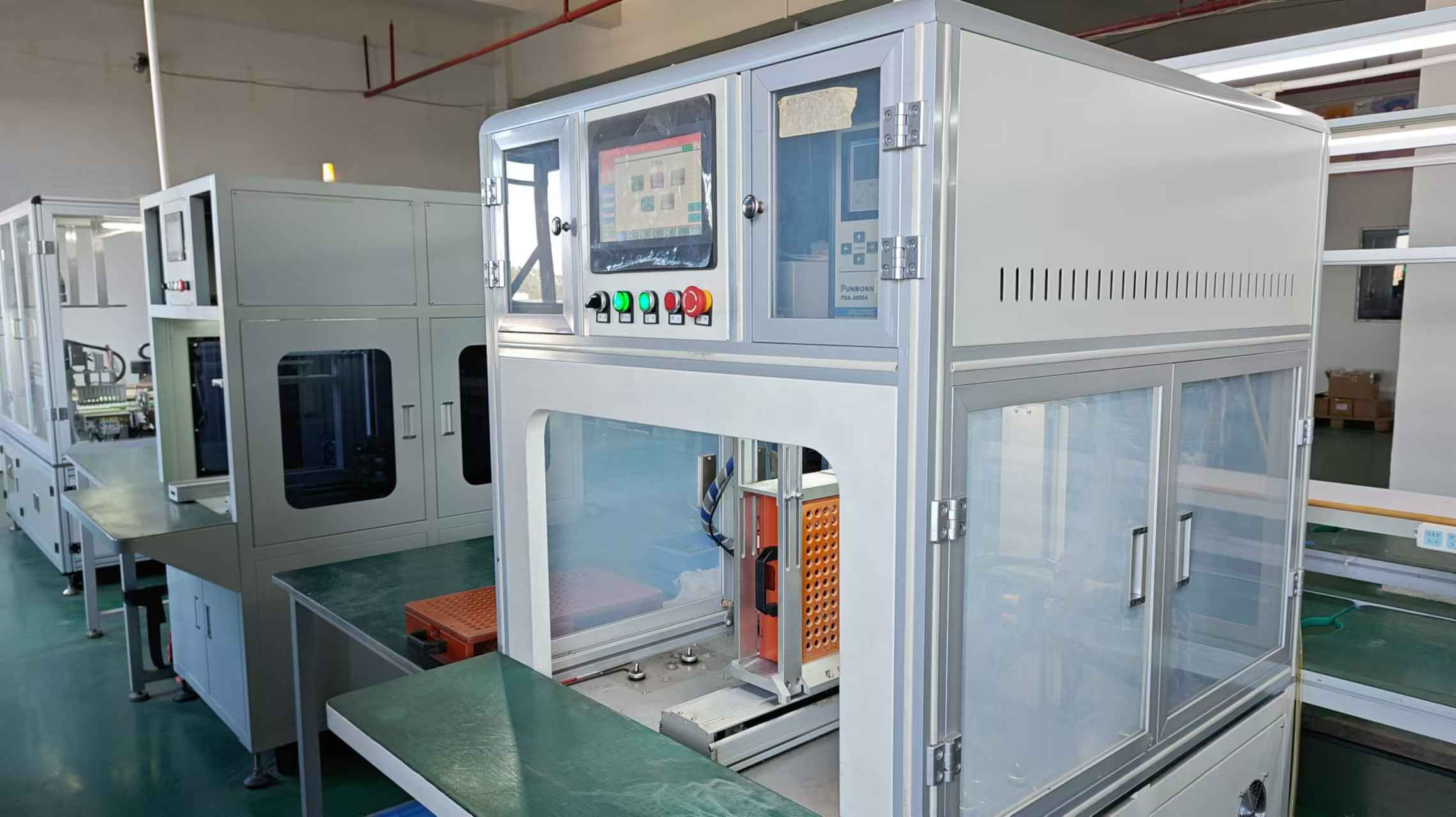
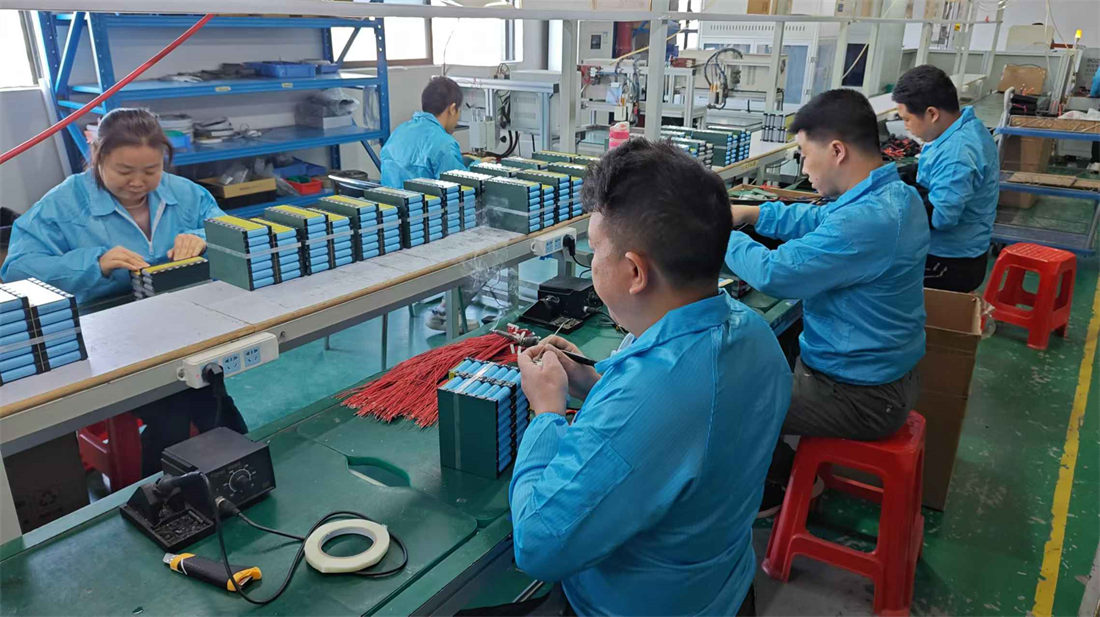
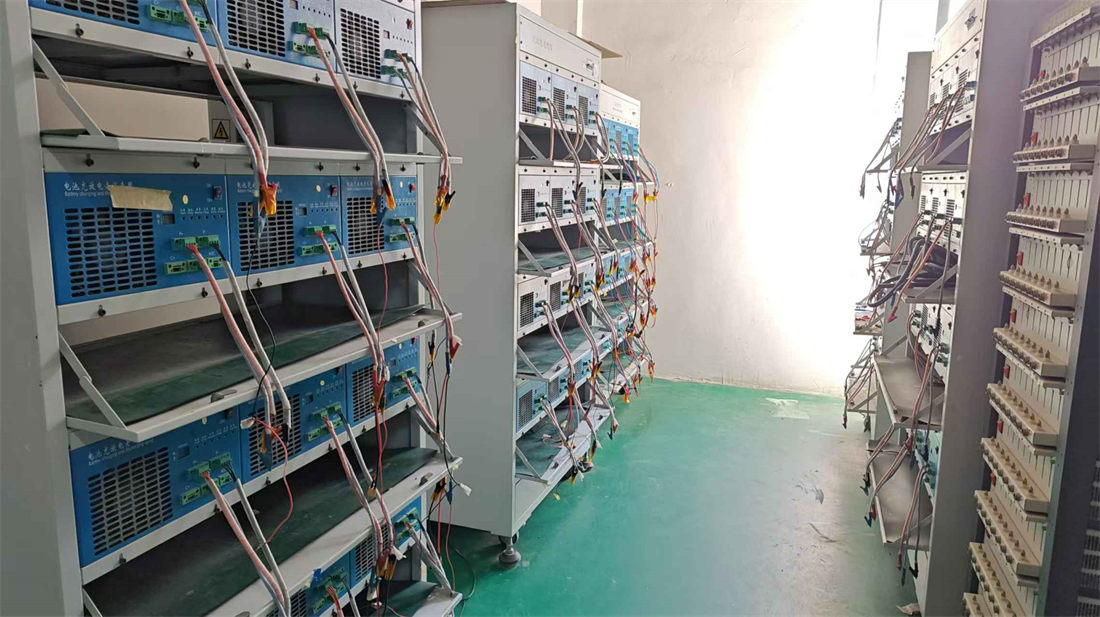
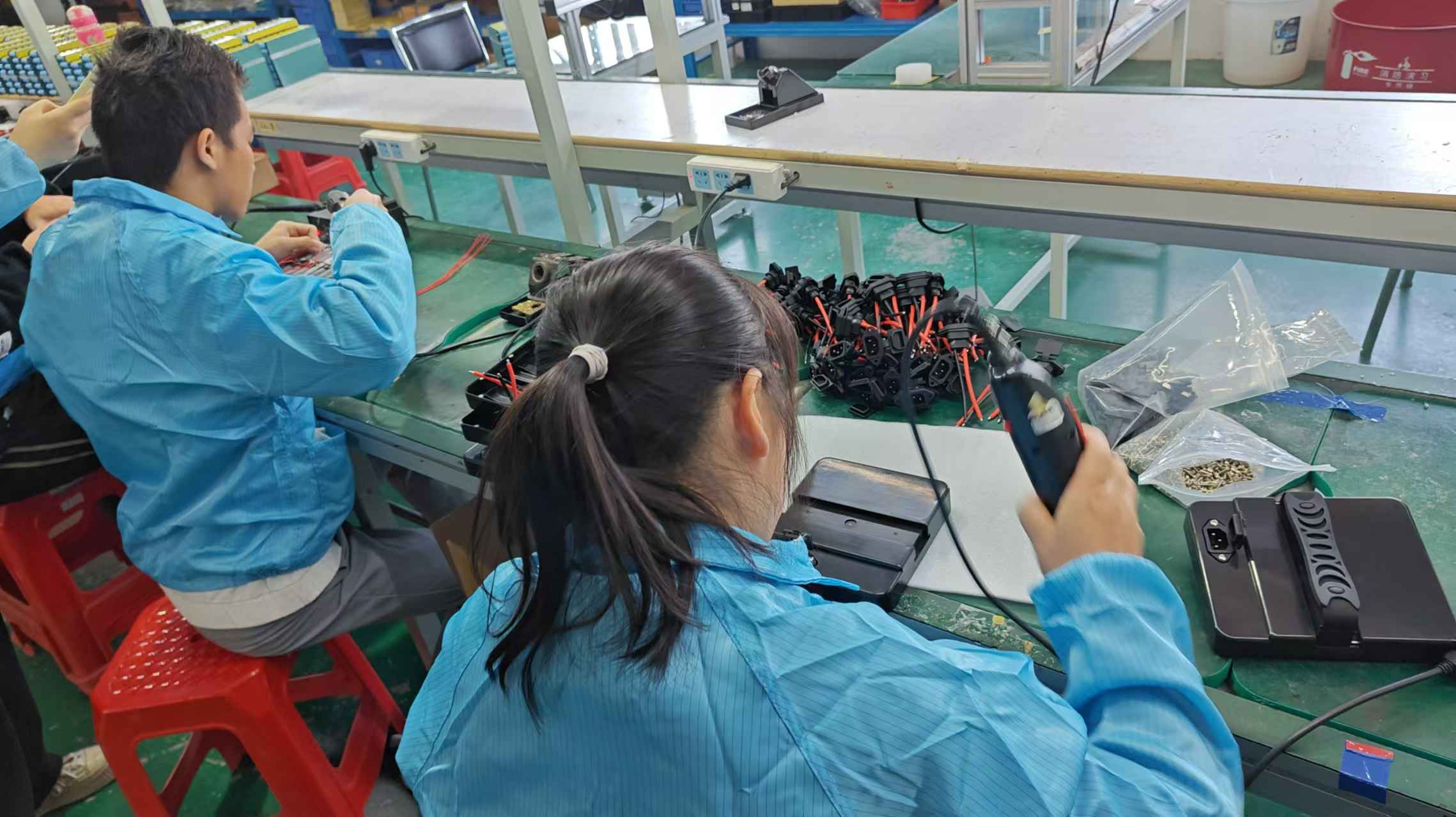
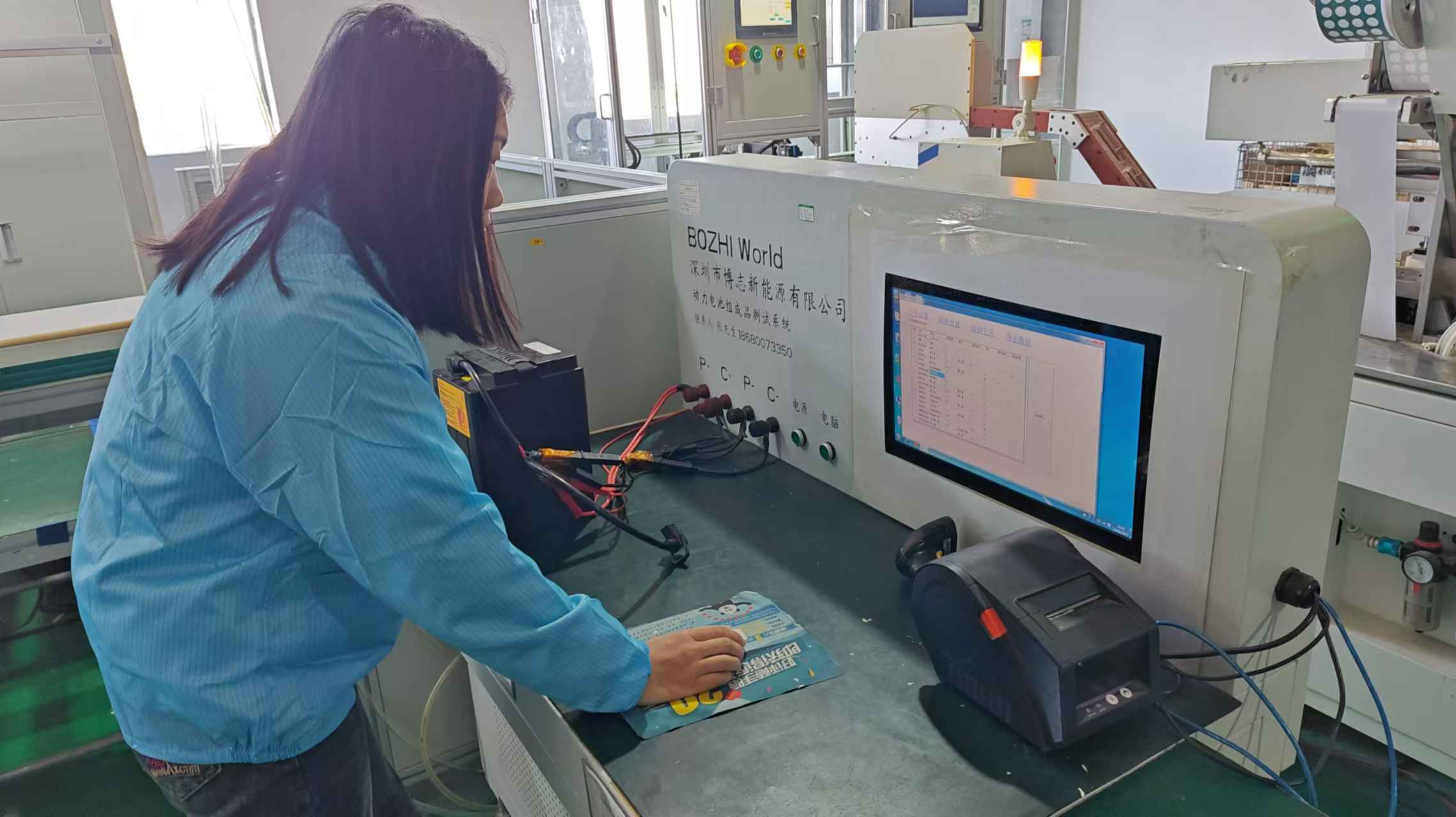
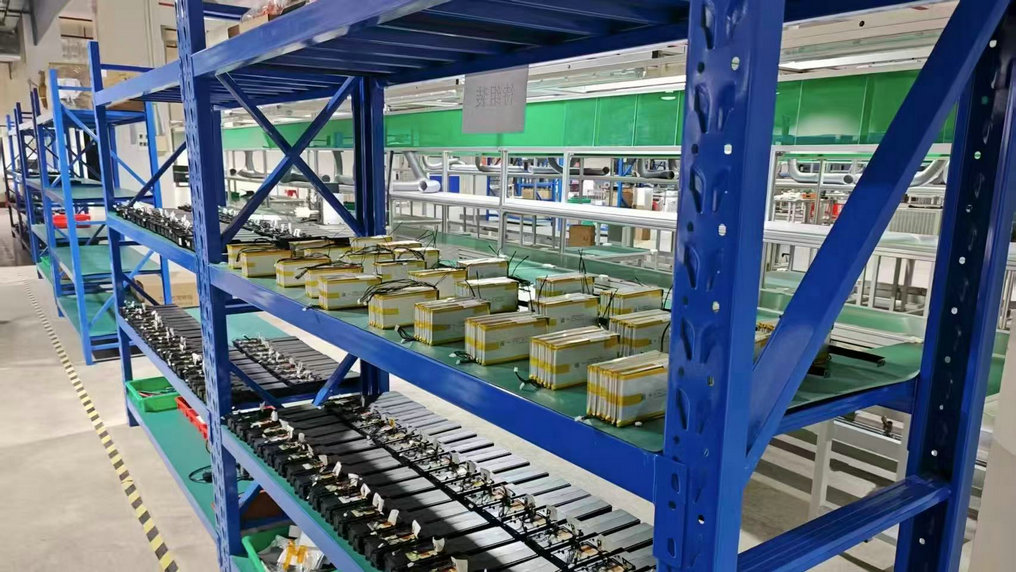
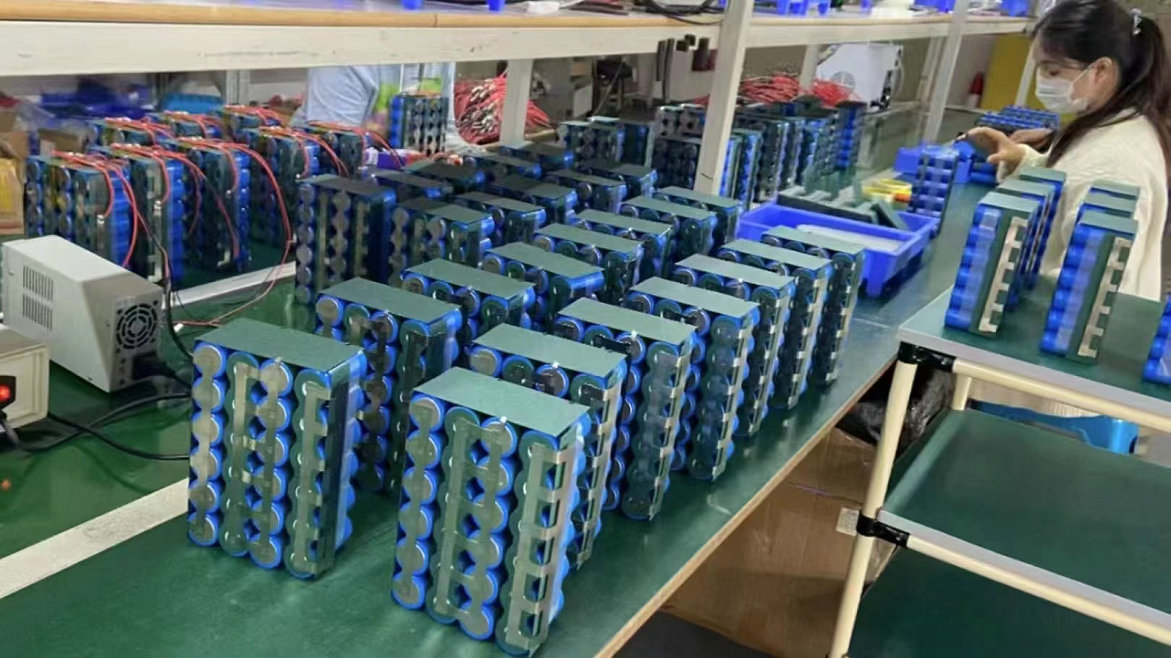
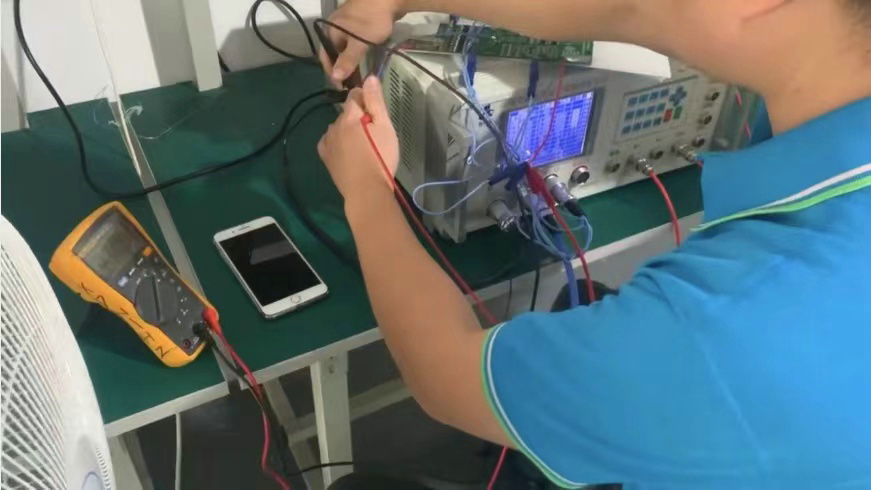
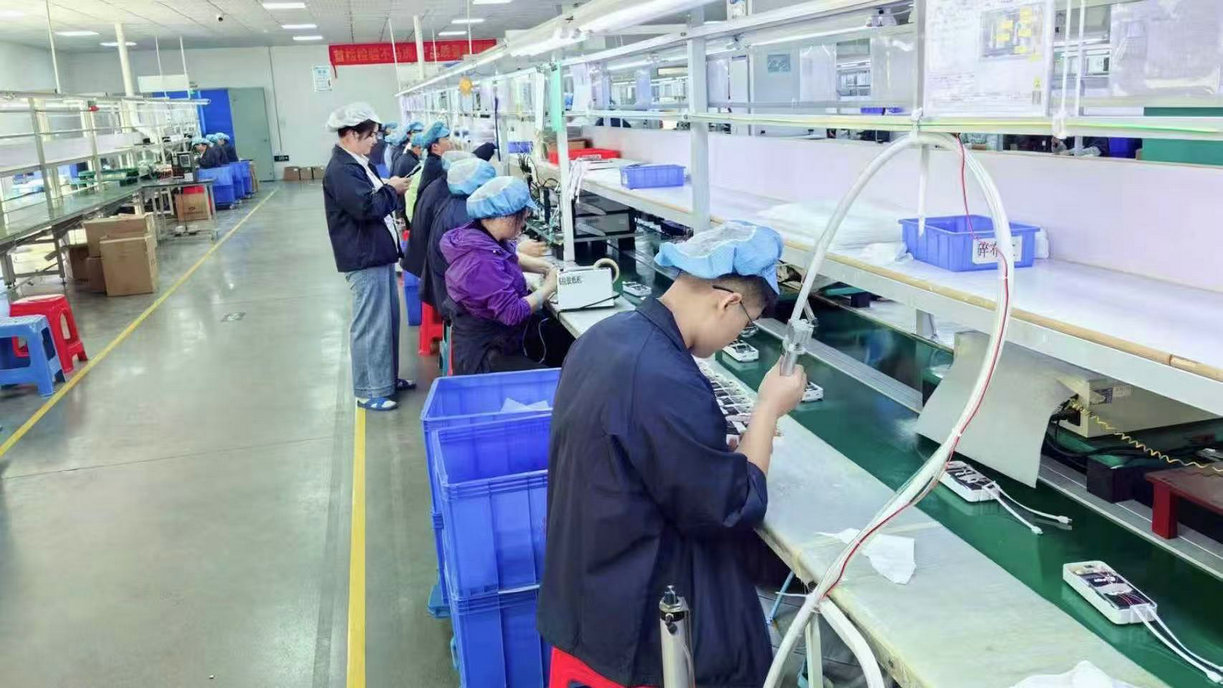
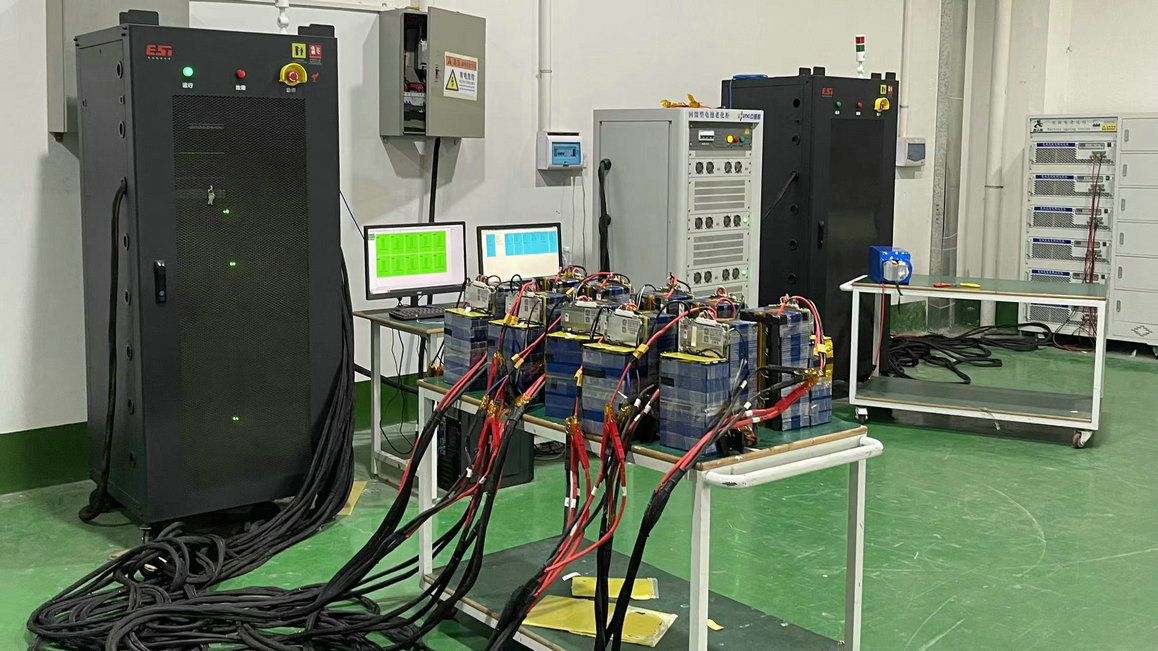
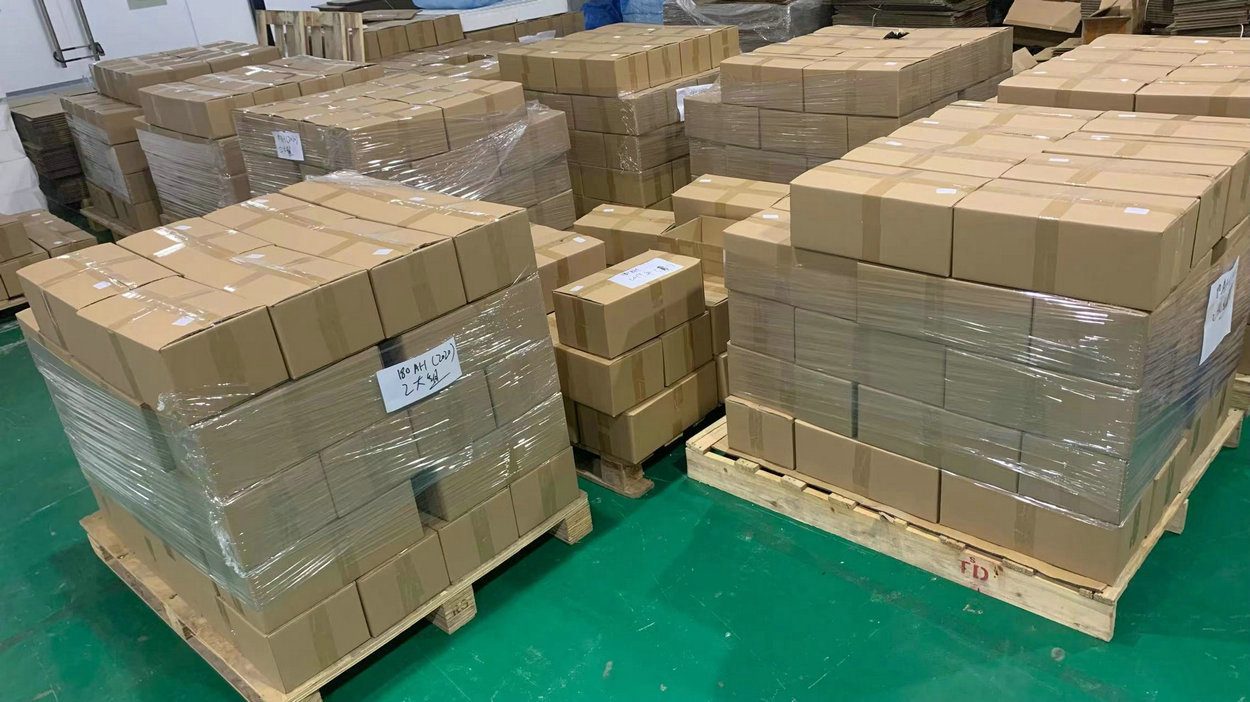
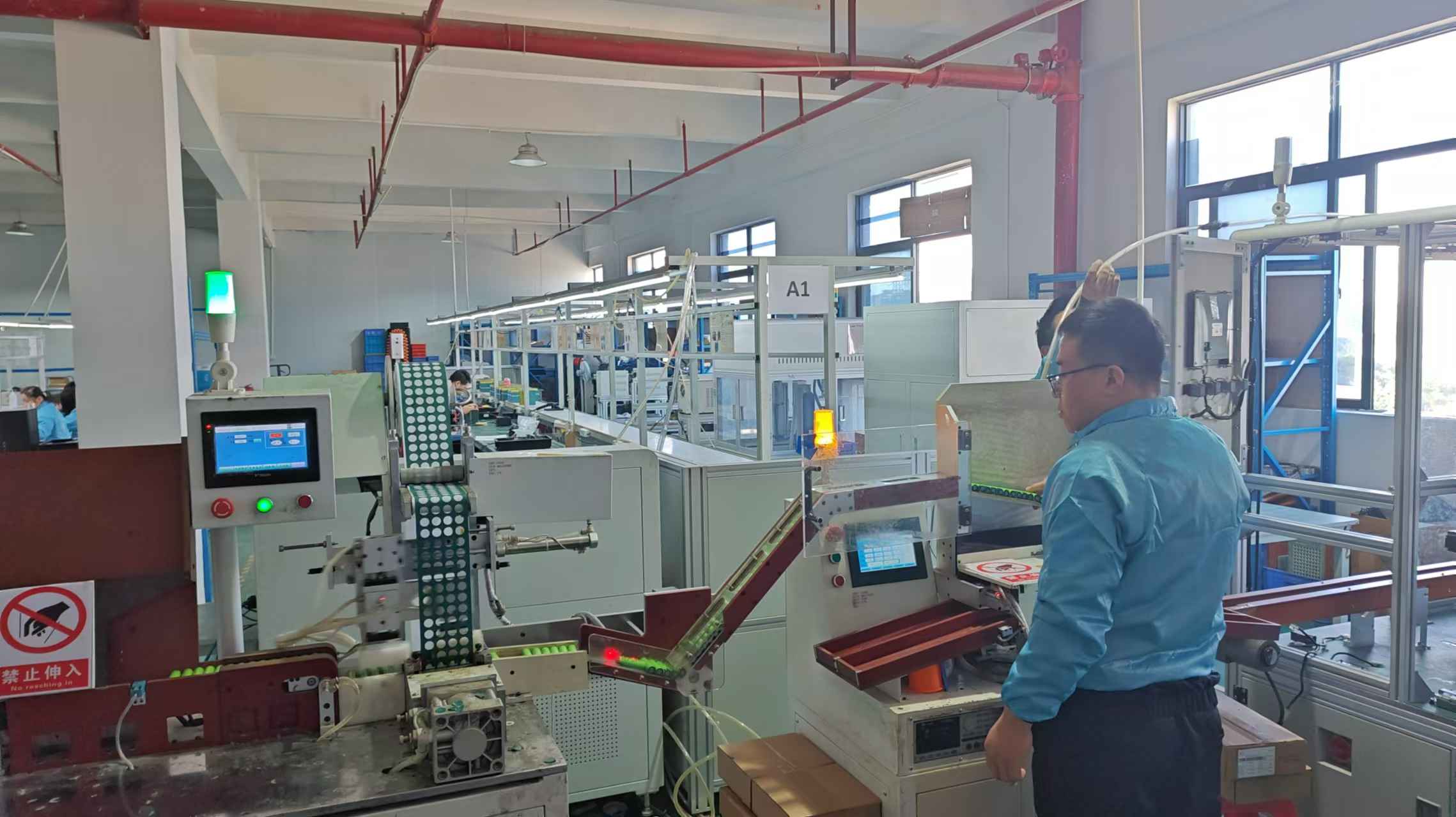
Under the strict management of Guangdong Nuwon Energy Co., Ltd., every single cell undergoes a rigorous, fully monitored manufacturing sequence to guarantee long-term stability and reliability.
Navigating international trade dynamics, tariffs, and environmental regulations requires a manufacturing partner with a robust global compliance framework. As battery safety standards tighten worldwide, importers must ensure that their supplier's quality control systems match the legal mandates of the destination market.
Guangdong Nuwon Energy Co., Ltd. addresses these regulatory requirements through the following measures:
Modern battery solutions are tailored to meet the distinct performance profiles required by specific industrial sectors:
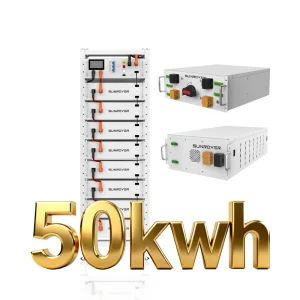
In grid-tied and off-grid solar systems, high-voltage battery banks (such as our 51.2V 100Ah LiFePO4 packs) optimize physical footprint while delivering the long cycle life needed for daily peak-shaving and backup power applications. By linking modules in series, systems can scale to match utility-level demands.
Golf carts, material handling forklifts, unmanned ground vehicles (AGVs/AMRs), and marine vessels rely on batteries that deliver high energy density alongside physical impact resistance. Transitioning from heavy lead-acid systems to lithium-polymer pouch or prismatic LFP systems reduces vehicle weight, increases operating range, and enables rapid opportunity charging.
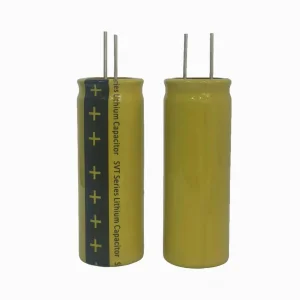
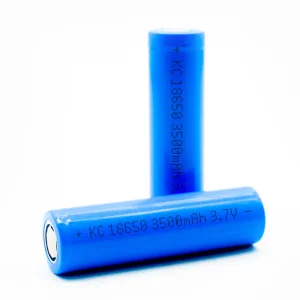
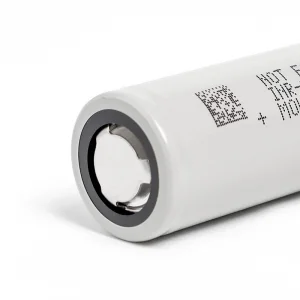
Applications such as automotive jump starters and heavy-duty industrial tools require high power output and immediate discharge capabilities. Utilizing high-rate 18650 cylindrical cells or specialized LTO capacitor-type cells allows systems to discharge reliably under heavy loads and perform efficiently in extreme sub-zero environments.
Guangdong Nuwon Energy Co., Ltd. is a leading manufacturer and solution provider in advanced battery systems, specializing in the research, development, manufacturing, and global distribution of high-performance energy storage products. The company offers comprehensive OEM and ODM services, delivering customized battery solutions tailored to diverse industrial and commercial applications.
Backed by a highly experienced engineering and R&D team, Nuwon Energy focuses on the design and integration of cylindrical and prismatic lithium battery cells, as well as complete battery packs, modules, and energy storage systems. The company also develops and produces industrial-grade battery cells engineered for safety, durability, and long cycle life.
Guangdong Nuwon Energy serves a wide range of industries, including consumer electronics, electric mobility (such as golf carts, forklifts, UTVs/ATVs, trucks, and marine systems), medical equipment, unmanned ground vehicles (AGVs/AMRs), and emerging aerospace applications such as eVTOL aircraft. In addition, the company provides reliable residential, commercial, and industrial (C&I) energy storage solutions designed to support the global transition toward clean and sustainable energy.
With a strong commitment to innovation, strict quality control, and customer-centric service, Guangdong Nuwon Energy continuously invests in advanced manufacturing capabilities, automated production lines, and rigorous testing systems. This ensures that every product meets international safety standards and delivers exceptional performance in demanding environments.
Driven by a vision to accelerate global electrification and energy efficiency, Guangdong Nuwon Energy Co., Ltd. is dedicated to building long-term partnerships and providing reliable, intelligent, and sustainable energy solutions to customers worldwide.
Explore our technical cells engineered for durability, thermal stability, and specific load requirements.
Technical answers to common questions about battery density improvements, cell chemistry, and sourcing logistics.
 Nuwon Energy