How to Spot a Fake Cylindrical Cell in Your Purchases?

Time:2026-08-02 Author:Sienna
0%

In recent years, the demand for cylindrical cells has surged, driven by advancements in portable electronics and electric vehicles. However, the proliferation of counterfeit products poses significant challenges. According to a 2022 report by the International Battery Association, nearly 30% of cylindrical cells in the market may be fake or substandard. Understanding *how to spot a fake cylindrical cell* is crucial for consumers and manufacturers alike.

Leading industry expert Dr. Emily Tran emphasizes the importance of vigilance. She states, “Identifying counterfeit cells is essential for safety and performance.” This underscores a growing need for knowledge and awareness among buyers. Many counterfeit cylindrical cells may appear genuine but lack the vital features of authentic products.

Buyers should consider visual inspection, packaging quality, and performance specifications. Pay attention to discrepancies in labeling and weight, as these can indicate fakes. The stakes are high; subpar cells can cause device malfunctions or even safety hazards. Reflecting on this issue reveals that while consumers want high-quality products, many remain unaware of the risks posed by counterfeits.
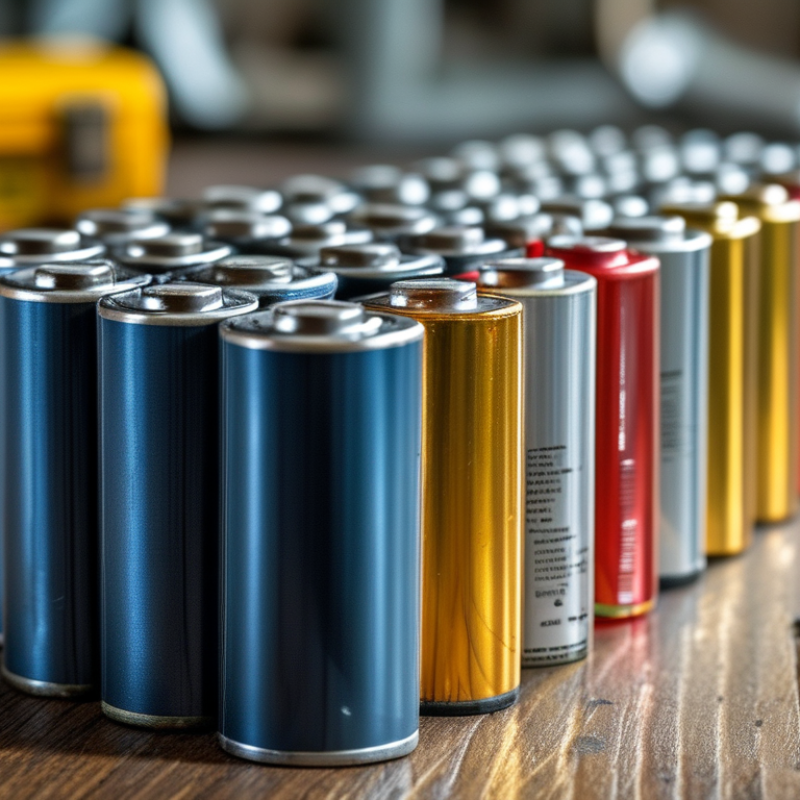
How to Spot a Fake Cylindrical Cell in Your Purchases?

Identifying the Shape and Size of Genuine Cylindrical Cells

When purchasing cylindrical cells, knowing the authentic shape and size is crucial. Genuine cells maintain consistent dimensions. Typical cylindrical cells follow standard sizes like 18650. A mismatched size often indicates a fake. Ensure that the diameter and height align with industry standards.

Tips: Measure the cell using calipers for accuracy. A slight deviation can be a red flag. Pay attention to the weight as well. Authentic cells are usually heavier due to quality materials. If it feels unusually light, consider it a warning sign.

Always examine the surface quality. Real cylindrical cells have a smooth finish. Look for any visible imperfections, as fakes often lack this quality. Evaluate the labeling and printing carefully. Authentic cells typically have clear and precise markings. Blurred or poorly printed labels can signal a counterfeit product. Trust your instincts; if something seems off, it probably is.

Understanding Labeling and Markings on Cylindrical Cells

When purchasing cylindrical cells, labels play a crucial role. A genuine cell often features essential markings. These can include the manufacturer's name, model number, and capacity ratings. Look for clear printing. Blurry labels may indicate a counterfeit product. A quality cell typically has well-defined markings, while fakes often lack precision.

Also, check the safety certifications on the label. These may include symbols like CE or RoHS. Authentic cells generally display proper certifications, reflecting compliance with industry standards. If you notice missing or incorrect symbols, this raises a red flag. Some counterfeit products may even misrepresent their capacity. Verify the capacity against known standards for your cell type.

Lastly, the physical appearance of the cell can provide insights. Real cylindrical cells usually have a consistent finish and dimension. In contrast, fake cells might appear scratched or poorly finished. Take some time to examine the details closely. A well-built product reflects its manufacturer's commitment to quality. It's important to trust your instincts while shopping. Always be cautious and do deeper research when something feels off.

Analyzing Packaging for Authenticity Indicators

When purchasing cylindrical cells, packaging plays a crucial role in identifying authenticity. Genuine products often exhibit high-quality packaging. Look for consistent print colors and clear graphics. Authentic packaging usually has no smudges or misaligned text. Pay attention to how the packaging feels in your hands. High-quality materials are less likely to be used in counterfeit products.

**Tip:** Check for a proper seal. Authentic products may have security features like holograms or unique barcodes. These elements can provide assurance of authenticity.

Sometimes, brands include specific information on the packaging. This may include certifications and safety warnings. Counterfeit products often lack this detail or present it poorly. If you notice a package that seems overly simple or lacks the expected information, approach with caution.

**Tip:** Don’t hesitate to research the packaging design online. Legitimate sources often provide visual guides to help identify counterfeits. Engaging with communities online can also enhance your understanding.

Indicators of Authenticity in Cylindrical Cell Packaging

Testing Performance Characteristics of Cylindrical Cells

When you purchase cylindrical cells, it's crucial to evaluate their performance characteristics. One key aspect is capacity testing. Measure how much energy the cell can store. A legitimate cell will hold a consistent value within its specifications. Fake cells often show lower capacity, affecting the overall performance of your device.

Another critical test is the discharge rate. Try discharging the cell through a load at a specific rate. Genuine cells should provide stable voltage across their discharge cycle. If the voltage drops sharply, you may have a counterfeit. Keep an eye on heat generation as well. Excessive heat during use often indicates poor quality materials.

Tips: Always use a reliable multimeter for accurate readings. Look for certifications and quality marks on the packaging. Track your experiences with different cells for better insights. Inconsistencies in performance should raise red flags. Remember, the small details matter in verifying authenticity.

Recognizing Common Red Flags of Counterfeit Products

When purchasing cylindrical cells, recognizing counterfeit products is crucial. Reports indicate that nearly 30% of cylindrical cells sold online may be fake. This alarming statistic underlines the need for vigilance. Common red flags can help you identify counterfeit items. Check the packaging; original products usually come with high-quality printing. Poor labels or misspellings often indicate fakes.

Inspect the cell design closely. Authentic cells have precise measurements and labels. Measure the dimensions to ensure they match standard specifications. If something seems off, it's worth investigating further. Pay attention to the weight as well. Fake cells often weigh less due to inferior materials.

Tips for Buyers: Always purchase from reputable sellers. Research seller ratings and reviews. Seek out detailed product information. Compare prices with industry standards. If a deal seems too good to be true, it likely is. Trustworthy vendors prioritize transparency; they provide product data sheets and certification information. Stay informed to protect your purchases.

How to Spot a Fake Cylindrical Cell in Your Purchases? - Recognizing Common Red Flags of Counterfeit Products

Red Flag Description Action
Unusual Packaging The packaging looks different from authentic products, such as poor quality print or incorrect information. Check for official branding and compare with known authentic packaging.
Inconsistent Labeling Labels that have incorrect specifications or unsupported claims. Research the specifications of the product and confirm with reliable sources.
Price Too Good to Be True If the price is significantly lower than market value, it may indicate a counterfeit. Compare prices from multiple reputable sources before making a purchase.
Poor Construction Quality Weak terminals, irregular shapes, or low-quality materials used in the cell. Inspect the physical condition of the product closely before buying.
Lack of Certifications Missing necessary regulatory or safety certification marks on the product. Verify that the product meets required certifications and standards for safety.

FAQS

: How can I identify the shape and size of genuine cylindrical cells?

: Genuine cylindrical cells maintain consistent dimensions, like the standard 18650 size. Measure with calipers for accuracy.

What should I consider regarding the weight of cylindrical cells?

Authentic cells are usually heavier due to quality materials. If a cell feels light, it might be counterfeit.

How important is the surface quality of cylindrical cells?

Real cylindrical cells have a smooth finish. Visible imperfections could indicate a fake product, so inspect carefully.

What markings should I look for on the labels of cylindrical cells?

Check for the manufacturer's name, model number, and clear capacity ratings. Blurry labels often signal counterfeits.

How can I verify safety certifications on cylindrical cells?

Look for symbols like CE or RoHS on the label. Missing or incorrect certifications are warning signs of counterfeit cells.

What details should the packaging of genuine cylindrical cells have?

Authentic packaging features consistent colors and clear graphics. Poorly printed or simple packaging raises concerns.

Are there any security features I should check for on packaging?

High-quality packaging may include security features like holograms or unique barcodes, indicating authenticity.

What should I do if I notice something off about a cylindrical cell?

Trust your instincts. If something seems wrong, do deeper research or reconsider the purchase.

How can community engagement help in identifying authentic cylindrical cells?

Engaging with online communities can enhance understanding and help you spot counterfeit products more effectively.

Is there a reliable way to compare the capacity of cylindrical cells?

Verify the claimed capacity against known standards for your cell type. Counterfeits may misrepresent their actual capacity.

Conclusion

When it comes to understanding how to spot a fake cylindrical cell, it's essential to consider several key aspects. First, the shape and size of genuine cylindrical cells should be consistent, and any irregularities may indicate counterfeiting. Additionally, examining the labeling and markings can reveal important information about authenticity, as legitimate products often have clearly defined and accurate labels.

The packaging can also provide clues, with authentic cells typically featuring high-quality materials and specific design elements. Performance testing is another critical step; genuine cells will meet certain performance standards. Ultimately, being aware of common red flags, such as unusual pricing or discrepancies in information, can greatly enhance your ability to identify counterfeit products in the market.

Sienna

Sienna

Sienna is a skilled marketing professional with a deep expertise in our company’s core products and services. With a passion for innovation and detail, she plays a pivotal role in crafting insightful blog posts that not only highlight the unique features of our offerings but also provide valuable......