When exploring energy storage solutions, one might wonder, "what is the difference between prismatic and cylindrical cells?" These two types of lithium-ion batteries are commonly used in various applications, from consumer electronics to electric vehicles. Understanding their distinctions is crucial for making informed decisions.
Cylindrical cells have been around for a long time. Their round shape offers advantages in terms of structural integrity, making them robust. Prismatic cells, on the other hand, provide a flat design that maximizes space efficiency. This can lead to a higher energy density for devices where real estate is a premium.
However, it's essential to consider real-world applications. Prismatic cells can be more challenging to manufacture consistently. Some users might prefer cylindrical cells for their reliability. Both types have their pros and cons, reflecting the complexity of battery technology. This complexity prompts deeper reflection on which design best suits specific needs.
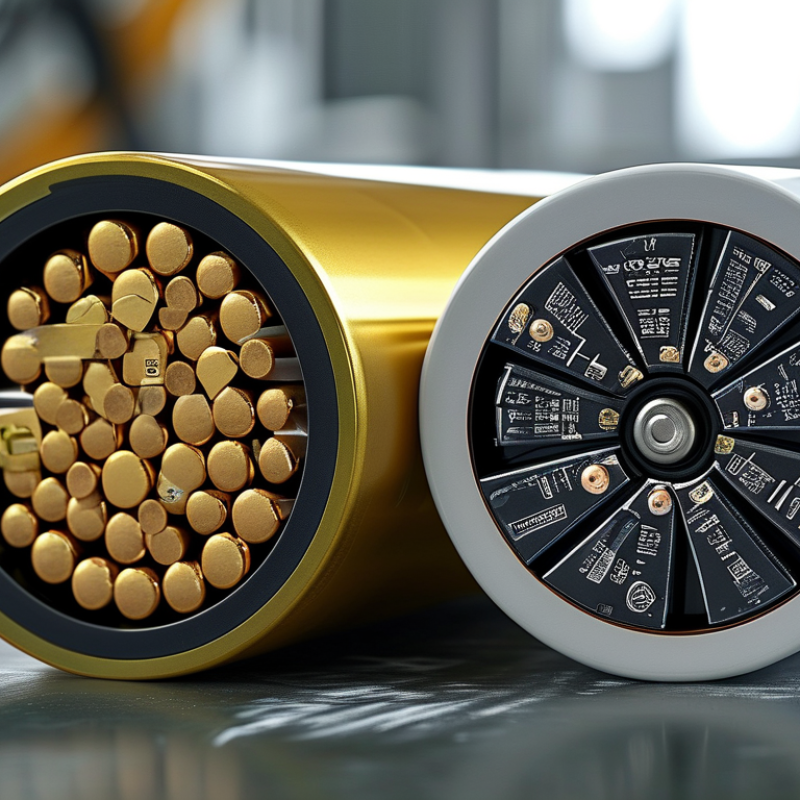
Overview of Prismatic and Cylindrical Cells
When comparing prismatic and cylindrical cells, it's essential to understand their distinct characteristics. Prismatic cells are flat and rectangular. This design allows for more efficient use of space within devices. On the other hand, cylindrical cells have a rounded shape, resembling a soda can. This structure may lead to better thermal management but occupies more space.
Data shows that prismatic cells often achieve a higher energy density. According to industry reports, they can provide up to 25% more energy compared to similar-sized cylindrical cells. However, their rigid structure can be more prone to mechanical failure under stress. In contrast, cylindrical cells are typically more durable and robust, which makes them suitable for applications in extreme conditions.
Tip: Consider the application when choosing between cell types. For compact consumer electronics, prismatic might be ideal. In contrast, for electric vehicles, cylindrical cells could offer better performance under heavy-duty conditions. Always evaluate your specific needs before making a decision. Balancing efficiency and durability is crucial for optimal performance.
Comparative Analysis of Prismatic and Cylindrical Cells
This chart provides a comparative overview of the energy density, cost, and manufacturing complexity of prismatic and cylindrical cells. The data reflects general industry trends and should be used for informational purposes.
Key Structural Differences Between Prismatic and Cylindrical Cells
Prismatic and cylindrical cells are two common battery designs, each with unique structural characteristics.
Prismatic cells feature a flat, rectangular shape.
This design allows for efficient use of space.
They can be stacked closely in devices, maximizing energy density. Their form makes them easier to integrate into the structure of electronic devices.
Cylindrical cells, on the other hand, have a round shape.
This design typically leads to better thermal management.
The circular cross-section allows for even heat distribution.
However, they take up more space compared to prismatic cells. The outer casing of cylindrical cells can also offer more robustness, which adds to their durability.
While prismatic cells can be more efficient, they may be less resilient under stress.
Cylindrical cells often have a stronger internal structure but can be bulkier.
Each design has its pros and cons depending on the application, from electric vehicles to portable electronics.
Factors like energy density and design complexity play a crucial role in choice.
Choosing the right cell type requires careful consideration of these structural differences.
Performance Characteristics: Prismatic vs. Cylindrical Cells
Prismatic and cylindrical cells have distinct performance characteristics that make them suitable for different applications. Prismatic cells, with their flat, rectangular shape, offer an efficient use of space. Their design allows for a greater surface area, which can enhance thermal management. This makes them ideal for electric vehicles and larger batteries. However, they can be more challenging to manufacture and require careful packaging.
Cylindrical cells, on the other hand, are often more robust and easier to produce. They tend to have better mechanical stability, which makes them favorable for portable electronics. Their cylindrical form also supports a uniform stress distribution during charging and discharging cycles. Yet, they may not utilize space as effectively as prismatic cells in certain configurations.
Tips: When choosing between these cell types, consider the specific requirements of your project. Think about the space available, energy density needed, and cooling requirements. Sometimes, the decision isn't clear-cut. Each cell type has unique pros and cons that require careful evaluation. Reflection on your priorities can lead to a better choice in the long run.
Applications and Use Cases for Each Cell Type
Prismatic and cylindrical cells serve distinct purposes in various applications.
Prismatic cells are often used in electric vehicles and energy storage systems.
Their rectangular design allows for efficient space utilization. This format offers good thermal management and can pack energy densely.
Manufacturers favor prismatic cells for long-range electric vehicles, where space and weight are critical.
Cylindrical cells, on the other hand, find their niche in portable electronics and power tools.
Their round shape provides durability and ease of handling. They are often more robust than prismatic cells, making them suitable for high-drain applications.
The manufacturing process is well-established, ensuring consistent quality. However, the cylindrical form may not use space as efficiently as prismatic cells.
Despite their advantages, both types have limitations.
Prismatic cells can be more expensive to produce.
Cylindrical cells may not be as space-efficient, potentially leading to wasted volume in designs.
Users must weigh these factors when selecting the right cell type for their applications.
Understanding the specific needs and limitations can lead to better design choices.
Comparative Advantages and Disadvantages of Both Cell Types
Prismatic and cylindrical cells differ significantly in their design and application. Prismatic cells have a rectangular shape. This design allows for a better use of space in battery packs. They can often be more efficient, offering higher energy density. Prismatic cells can also facilitate faster heat dissipation, which enhances their performance during charging. However, they may come with higher manufacturing costs due to their complex design.
Cylindrical cells, on the other hand, have a round shape. This design increases structural integrity, making them more robust. They are easier to produce and assemble, which often leads to lower costs. Consequently, they are commonly used in consumer electronics. Nevertheless, their round shape can lead to less optimal space utilization in battery packs. This may result in lower energy density compared to prismatic types. Each cell type presents unique advantages and disadvantages, and understanding them is crucial for selecting the right battery for specific applications.
What is the Difference Between Prismatic and Cylindrical Cells? - Comparative Advantages and Disadvantages of Both Cell Types
| Feature |
Prismatic Cells |
Cylindrical Cells |
| Shape |
Flat and rectangular |
Cylindrical and round |
| Space Efficiency |
Higher space efficiency due to flat shape |
Less space efficient, gaps between cells |
| Thermal Management |
Better thermal management due to larger surface area |
Less effective thermal management |
| Weight |
Generally heavier due to housing material |
Lighter, especially with smaller sizes |
| Energy Density |
Typically lower energy density |
Higher energy density |
| Manufacturing Cost |
Higher manufacturing costs |
Generally lower manufacturing costs |
| Applications |
Used in electric vehicles, consumer electronics |
Commonly used in power tools, bicycles |
FAQS
: Prismatic cells are flat and rectangular, while cylindrical cells are round like soda cans.
Prismatic cells often have a higher energy density, providing up to 25% more energy.
No, prismatic cells can be prone to mechanical failure under stress compared to cylindrical cells.
Prismatic cells are ideal for electric vehicles and energy storage systems due to their space efficiency.
Cylindrical cells are used in portable electronics and power tools due to their robustness.
No, cylindrical cells may not use space as well as prismatic cells, leading to potential waste.
Yes, prismatic cells can be more expensive to produce than cylindrical ones.
The flat design of prismatic cells allows for good thermal management compared to cylindrical cells.
Users must consider space, durability, and specific application needs when selecting cell types.
Yes, the manufacturing process for cylindrical cells is well-established, ensuring consistent quality.
Conclusion
In discussing what is the difference between prismatic and cylindrical cells, it is essential to consider their structural differences and performance characteristics. Prismatic cells are typically flat and rectangular, allowing for efficient space utilization in battery packs, while cylindrical cells are round and have a more standardized size and shape. These differences impact not only the design and fit within devices but also the thermal management and energy density.
When it comes to performance, prismatic cells may offer higher energy density and better thermal management, making them suitable for specific applications like electric vehicles. In contrast, cylindrical cells are known for their durability and lower manufacturing costs, which can be advantageous in consumer electronics. Ultimately, the choice between prismatic and cylindrical cells depends on the intended application, as each type presents its own set of advantages and disadvantages.

 Nuwon Energy