The performance and reliability of batteries are crucial for the functioning of water meters. Among various battery types, Li-SOCl2 batteries stand out due to their long lifespan and efficient energy output. Understanding what is the lifespan of a Li-SOCl2 battery in water meters is essential for manufacturers and consumers alike. This knowledge helps in evaluating the overall cost-effectiveness and sustainability of water metering systems.
Typically, Li-SOCl2 batteries can last several years in constant use. This longevity minimizes the need for frequent replacements, making them suitable for remote locations. However, the exact lifespan varies based on environmental conditions. Factors like temperature and humidity play significant roles in battery performance. Users may find themselves wondering how these elements impact longevity. While these batteries excel in many scenarios, they might face challenges under extreme conditions.
Despite their advantages, some weaknesses exist. Users have reported performance drops in very high temperature environments. This emphasizes the need for further research and improvements in battery technology. A more profound understanding of the lifespan of Li-SOCl2 batteries in water meters can lead to enhanced designs and better user experiences. This topic invites further exploration and practical advancements in the industry.
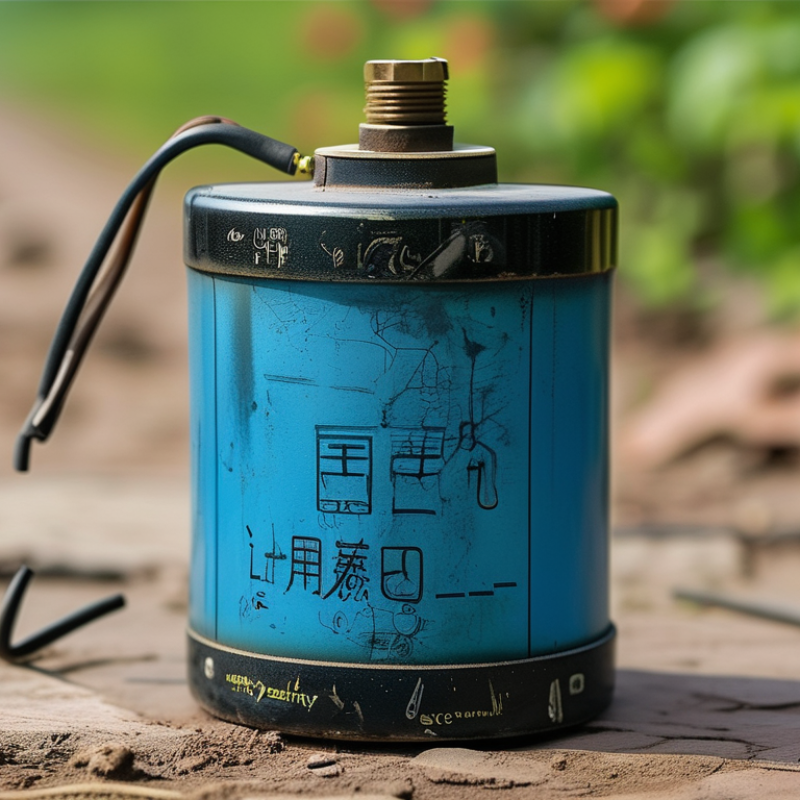
Li-SOCl2 batteries play a vital role in water meters. Their longevity is remarkable, often lasting more than a decade. These batteries offer dependable power for various applications. This reliability is crucial for precise water management.
Tips: Always consider battery chemistry when selecting a power source. Understanding the technology helps in assessing performance.
The operating conditions can affect battery lifespan. Extreme temperatures or humidity might reduce efficiency. Users need to monitor these factors closely. Regular maintenance can extend battery life, enhancing overall system performance.
Tips: Using battery management systems can prevent unexpected failures. Smart monitoring is essential for optimal operation.
Water meters benefit significantly from the unique properties of Li-SOCl2 batteries. Their high energy density makes them suitable for remote locations. However, not all installations will yield the same results. It's important to analyze specific needs before making a decision.
The lifespan of lithium thionyl chloride (Li-SOCl2) batteries in water meters can vary based on multiple factors. Temperature plays a key role. In high temperatures, battery life can degrade rapidly. Data shows that every increase of 10 degrees Celsius can shorten battery life by up to 50%. Conversely, low temperatures can also affect performance. A cold environment might not allow the battery to reach its optimal function, which can yield lower output.
Another significant factor is the discharge rate. Li-SOCl2 batteries are designed for low power devices. If a water meter operates under high load conditions, it may drain the battery faster. Research indicates that continuous high current draw can lower the effective capacity. Aging and cycling also impact performance. Over time, internal resistance increases, diminishing efficiency. Unfortunately, many users may overlook these signs until it's too late.
Lastly, the quality of the battery itself is crucial. Battery manufacturing inconsistencies can lead to significant variability in lifespan. Some studies report that as much as 20% of batteries may fail prematurely due to manufacturing defects. Therefore, choosing components with reliable sourcing and rigorous testing can make a noticeable difference in longevity. A closer examination of these factors reveals that even small details in battery management can greatly influence overall performance in water meter applications.
| Battery Model | Average Lifespan (Years) | Temperature Range (°C) | Self-Discharge Rate (%) | Capacity (mAh) |
|---|---|---|---|---|
| Model A | 10 | -40 to 85 | 0.2 | 3000 |
| Model B | 9 | -30 to 75 | 0.3 | 2500 |
| Model C | 8 | -20 to 70 | 0.5 | 2000 |
| Model D | 11 | -40 to 80 | 0.1 | 3500 |
| Model E | 7 | -20 to 65 | 0.4 | 1500 |
The use of Li-SOCl2 batteries in water meters represents an innovative shift in energy solutions. These batteries offer long lifespan and reliable performance. They are favored for their ability to operate efficiently in various environmental conditions. The compact design of these batteries makes them ideal for integration into water meter systems.
In China, these batteries are particularly important due to the increasing demand for smart water management. Water meters powered by Li-SOCl2 batteries can provide accurate readings for years. They minimize maintenance needs, allowing utility companies to focus on service without frequent battery replacements. Notably, their stability under different temperatures enhances their functionality, making them a reliable option.
However, it's essential to consider some limitations. The environmental impact of battery disposal remains a concern. Proper recycling methods are crucial to mitigate potential hazards. Additionally, the initial cost of these batteries can be higher than traditional options, which may deter some users. Balancing these factors is key to optimizing their use in water meter applications.
When analyzing the lifespan of Li-SOCl2 batteries, particularly in water meters, several factors emerge. These batteries typically excel in longevity compared to alternatives. In various studies, Li-SOCl2 batteries have been shown to last up to 10 years. This is notably higher than standard alkaline batteries, which can average around 3 to 5 years.
Performance consistency is crucial in critical applications. Reports indicate that temperature fluctuations can impact battery lifespan. Li-SOCl2 batteries can perform well in extreme conditions, whereas alkaline batteries struggle. However, not all Li-SOCl2 products offer the same reliability. Some research indicates that battery performance can vary significantly based on manufacturing processes.
A comparative look at lithium-ion batteries reveals an average lifespan of about 2 to 3 years. While lithium-ion batteries are rechargeable, they often degrade faster than Li-SOCl2. Despite the advantages, there are concerns regarding the environmental impact of Li-SOCl2 batteries. The need for improved recycling methods is paramount. This aspect requires industry reflection and innovation to address sustainability issues effectively.
Recent innovations in Li-SOCl2 battery technology have significantly impacted water meter applications. The longevity of these batteries directly influences the reliability of metering systems. Data indicates that Li-SOCl2 batteries can achieve a lifespan of over 10 years in optimal conditions. This is essential for areas where frequent maintenance is impractical.
The efficiency of these batteries is also noteworthy. Their energy density can reach up to 700 Wh/kg, outperforming many alternatives. However, challenges remain. Environmental conditions can affect performance. For instance, extreme temperatures may shorten battery life. A study shows a 20% reduction in performance at temperatures above 60°C. Manufacturers must address these vulnerabilities to ensure consistent operation.
Innovations are ongoing. Enhancements in the sealing techniques have improved moisture resistance. This could lead to longer-lasting batteries in diverse environments. Despite these advances, more research is needed. The industry must explore alternatives to make these batteries even more durable. This quest for improvement is crucial for maintaining water meter efficiency.
This chart illustrates the lifespan of various Li-SOCl2 batteries used in water meters in China. The batteries are ranked based on their longevity, showing a promising range of 4 to 9 years.
: Li-SOCl2 batteries can last up to 10 years, significantly longer than standard alkaline batteries.
Temperature fluctuations can impact lifespan. Extreme conditions may shorten battery life.
Li-SOCl2 batteries usually last longer, while lithium-ion batteries last about 2 to 3 years.
Yes, there are environmental concerns, especially regarding recycling methods.
Some Li-SOCl2 products vary in reliability due to different manufacturing processes.
Li-SOCl2 batteries can achieve an energy density of up to 700 Wh/kg, which is impressive.
Yes, extreme temperatures can lead to a performance drop, especially above 60°C.
Innovations include improved sealing techniques for better moisture resistance.
Yes, ongoing research is essential to enhance battery durability and efficiency.
Manufacturers must address environmental impacts and vulnerabilities due to temperature changes.
The article explores "what is the lifespan of a Li-SOCl2 battery in water meters" by providing an overview of its applications and significance in this context. Li-SOCl2 batteries are known for their long-lasting performance in water meter applications, often showing superior longevity compared to other battery types. Key factors influencing their lifespan include temperature, discharge rates, and the operational environment.
Furthermore, the article highlights various applications of Li-SOCl2 batteries specifically in China, along with a comparative analysis of their lifespan against alternative battery technologies. Recent innovations in Li-SOCl2 battery technology are also discussed, indicating ongoing improvements that enhance their efficiency and durability in water meter usage. Overall, the findings suggest that Li-SOCl2 batteries are a reliable choice for water meters, offering extended service life crucial for effective water management.

Nuwon Energy