Balancing cells is essential for a reliable DIY battery pack. According to a report by the Battery Innovation Center, unbalanced cells can lead to reduced performance and safety hazards, with a staggering 30% of battery failures attributed to poor cell management. Experts argue that proper balancing techniques are crucial for maximizing battery lifespan and efficiency.
“Many DIY enthusiasts overlook cell balancing,” says Dr. Mark Stevens, a noted expert in battery technology. He emphasizes the importance of understanding how to balance cells in a DIY battery pack. This knowledge can prevent risks, ensuring that your battery operates smoothly and efficiently. Unbalanced cells can cause overheating or reduced capacity, resulting in performance drops.
Learning how to balance your cells may seem daunting, yet it is a vital step. It requires precision and attention to detail. A well-balanced pack will inevitably extend the overall life of your battery, making your efforts worthwhile. However, the process isn’t always straightforward. Challenges may arise, and that is part of the learning curve for DIY battery builders.
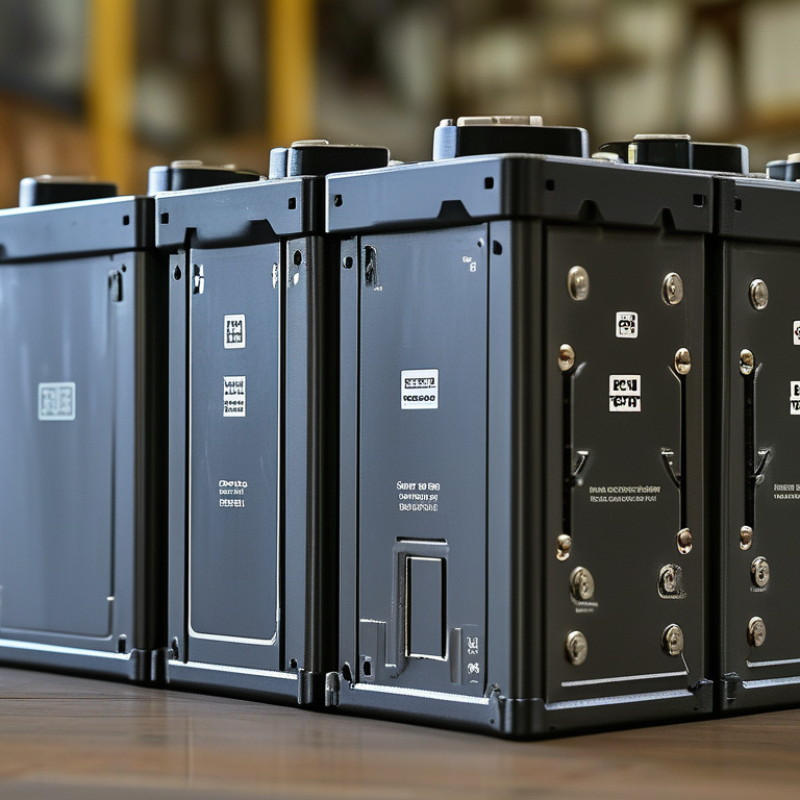
Cell balancing in DIY battery packs is a critical aspect that often gets overlooked. Each cell within a battery pack can have slight variations in voltage and capacity. According to industry reports, up to 30% of battery inefficiencies arise from these imbalances. Balancing ensures that all cells charge and discharge uniformly. This prevents one cell from becoming overcharged or overly discharged, which can lead to reduced overall capacity and even battery failure.
When building a battery pack, understanding cell balancing basics is essential. A commonly used method involves active and passive balancing techniques. Active balancing redistributes energy from higher voltage cells to lower ones. Passive balancing simply bleeds off excess energy from the most charged cells. Studies indicate that packs with balanced cells can see an increase in lifespan by up to 25%. However, achieving perfect balance can be challenging. Environmental factors, manufacturing inconsistencies, and user handling often complicate this process.
In practice, achieving a wholly balanced battery system is rare. Many DIY enthusiasts may not have access to sophisticated balancing equipment. This can lead to packs that don’t perform optimally. It’s crucial to regularly monitor cell voltages and ensure they remain within safe limits. Simple mistakes in DIY assembly can have significant impacts on safety and performance. Keeping these details in mind can help in building a more reliable battery pack.
Uniform voltage levels across cells in a DIY battery pack are essential. A battery pack consists of multiple cells working together to provide energy. If one cell discharges faster than others, it can create an imbalance. This imbalance can lead to diminished performance and reduced overall lifespan.
Battery cells have specific voltage ranges for optimal performance. When cells are not balanced, some may drop below their safe voltage level. This can cause irreversible damage. Inconsistent voltage also affects the charging cycle. One underperforming cell can hold back the entire pack, leading to inefficiencies.
Balancing cells isn’t just about performance; it’s about safety too. Overcharging a single cell can result in overheating. Furthermore, this can lead to leaks or even fires. Regular monitoring and balancing of cells can prevent these risks. They ensure a safer and longer-lasting DIY battery pack. Investing time in balancing cells pays off significantly in the long run.
Maintaining balanced voltage levels across the cells in a DIY battery pack is essential for optimal performance and longevity. The data shown illustrates the voltage measurements of five battery cells. Discrepancies in voltage levels can lead to reduced capacity and potential damage.
Balancing cells in a DIY battery pack is essential for optimal performance. Cell imbalance can lead to reduced capacity and lifespan. Reports show that over 30% of DIY battery failures are attributed to poor cell balancing. This highlights the importance of maintaining uniform voltage levels across cells.
Common methods for balancing cells include passive and active balancing techniques. Passive balancing discharges higher voltage cells, ensuring all cells reach the same level. This method is simple and cost-effective but can be time-consuming. Active balancing, on the other hand, transfers energy between cells, allowing for faster equalization. While this method requires more complex circuitry, studies indicate it can enhance overall pack efficiency by up to 15%.
DIY enthusiasts should consider regularly checking cell voltages. Using a multimeter can reveal imbalances. Educating oneself on cell chemistry also matters. Understanding how different cells react under various conditions can improve project outcomes. Most importantly, don’t overlook the significance of heat management. Excessive heat can exacerbate cell imbalance, leading to safety risks. Reflecting on these factors can drive better results in DIY battery projects.
When building a DIY battery pack, balancing the cells is essential for optimal performance. Imbalanced cells can lead to significant issues. For instance, if one cell discharges faster than others, it can overheat. This overheating may cause permanent damage to the pack and reduce its lifespan.
Moreover, imbalanced cells can impact the overall energy capacity and efficiency of the battery. A weaker cell can drag down the performance of stronger ones. It means you may end up with a battery pack that delivers less power than expected. During use, this can translate to shorter runtimes or unreliable performance.
Consider the charging process. If cells are not balanced, some may reach full capacity while others struggle to catch up. This situation can lead to overcharging, increasing the risk of failure or even fire. Regularly checking and maintaining cell balance is crucial. Skipping this step may save time initially but could cost much more in the long run.
Maintaining cell balance in battery packs is critical for performance and longevity. When cells in a pack are not balanced, some can overcharge or undercharge. This leads to reduced efficiency and potential failure. It’s essential to regularly monitor the voltage levels of each cell. Significant discrepancies can indicate trouble. Using a multimeter can help identify these issues before they escalate.
One best practice is to charge cells at the same rate. Even slight variations can affect the overall performance of the pack. Regularly cycling the battery can also help maintain balance. Discharging and recharging each cell evenly ensures that they remain at similar voltage levels. It's not always easy to keep track of all cells, but neglecting this can lead to a shorter lifespan.
Consider using a battery management system (BMS). A BMS can monitor cell voltages and protect against overcharging. While not foolproof, it adds an extra layer of security. Sometimes, a simple visual inspection can highlight problems. Look for any signs of swelling or leakage. These are red flags that should not be ignored. Regular maintenance and attention to detail can make a significant difference. The goal is to create a safe and efficient power source. Each step is crucial in achieving that.
: Uniform voltage across cells ensures better performance and prolongs the lifespan of the battery pack.
It creates an imbalance that can lead to reduced performance and potential overheating issues.
An underperforming cell can hold back the entire pack, causing inefficiencies during charging.
Passive balancing discharges higher voltage cells, while active balancing transfers energy between cells for quicker equalization.
Yes, while simple and cost-effective, passive balancing methods can be quite time-consuming.
Understanding cell reactions helps improve performance and management in various conditions.
High temperatures can worsen cell imbalances and increase safety risks, including potential fires.
Regular checks with a multimeter are recommended to detect imbalances and ensure safety.
Initially, yes, but it can lead to greater costs and risks in the long run.
Overcharging may cause overheating, leading to battery failure or even fires.
Balancing cells in a DIY battery pack is essential for ensuring optimal performance and longevity. Understanding the concept of cell balancing involves recognizing that uniform voltage levels across all cells are crucial for achieving consistent energy delivery. If cells are imbalanced, it can lead to reduced capacity, overheating, and even damage, ultimately compromising the entire battery system.
To effectively learn how to balance cells in a DIY battery pack, one can explore common methods such as passive and active balancing techniques. Additionally, best practices for maintaining cell balance, including regular monitoring and using matched cells, can greatly enhance battery reliability. By adhering to these principles, DIY enthusiasts can create safer and more efficient battery packs, maximizing their projects' performance.

Nuwon Energy